
Promising Cancer Break Through Might Stop Cancer In Its Tracks


It's a promising cancer break through that might be able to stop cancer in its tracks and it was discovered by Michigan State University researchers.
It has to do with visceral fat.
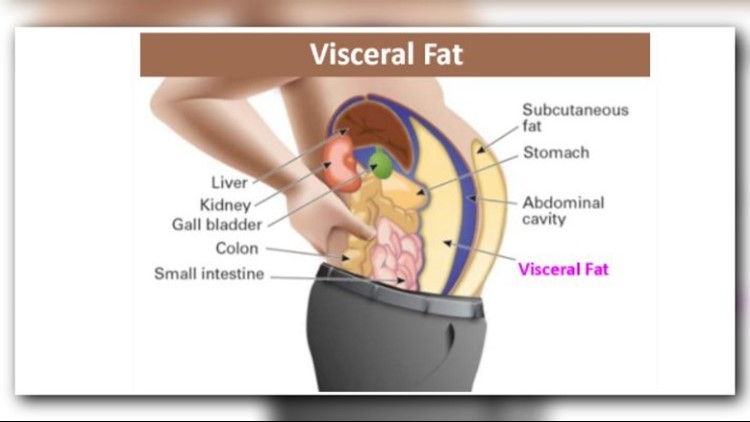
We have two layers of fat. The outer layer or subcutaneous fat which is the easiest to lose and doesn't pose as much of a health risk.
The second layer is visceral fat. That’s the fat that’s tucked deep inside, next to the organs. This fat has been shown to play a very dangerous role in affecting hormones and their function. Those hormones are what trigger the grow of cancers like breast, lung and colon because those cancers are strongly influenced by our hormones.
The MSU study is now zoning in on this. Researchers are testing a promising drug called I-BET-762 that is showing signs of delaying the development of existing breast and lung cancer cells by targeting a how a cancerous gene in the visceral fat works.
The drug does not allow the gene to express itself, therefore significantly reducing the number of cancer cells produced.
In human tests, the drug prevented more than 50-percent of the cells from becoming cancerous.
A significant breakthrough in cancer research especially since almost half a million of all new cancers are linked to obesity and this visceral fat.


Comments

Popular posts from this blog

Cancer Survivors

Just read a story about one woman's cancer experience. I bet everyone has a story about what goes through your mind when you are told you have cancer. Her thought were about her stunned family members, one crying and the other in shock. I bet there are quite a few stories that could be qualitatively studied. Those experiences could help nurses better help patients during this time.

Prevalence and Spectrum of Germline Cancer Susceptibility Gene Mutations Among Patients With Early-Onset Colorectal Cancer

Key Points Question    What is the frequency and spectrum of cancer susceptibility gene mutations among patients with colorectal cancer diagnosed at younger than 50 years? Findings    In this cohort study of 450 patients with early-onset colorectal cancer, 72 (16%) had a pathogenic mutation. Panel testing identified mutations in patients that may have otherwise been missed; specifically, 24 of 72 patients (33.3%) who were mutation positive did not meet testing criteria for the gene(s) in which they had a mutation. Meaning    Multigene panel testing should be considered for all patients with early-onset colorectal cancer. Read More:   Prevalence and Spectrum of Gene Mutations and Colorectal Cancer

Get the Facts About Genetic Colon Cancer

Get the Facts: http://genefacts.org Lynch syndrome is a cancer predisposition syndrome caused by inherited mutations in genes responsible for correcting DNA replication errors. Individuals with Lynch syndrome have a greatly increased risk for colorectal, endometrial, and stomach cancers, and a moderately increased risk for other cancers. Key Points 1-3% of colon cancers attributable to Lynch syndrome Dominant inheritance with reduced penetrance (not all patients with mutations will manifest disease) Diagnosis based on clinical and family history, tumor pathology and/or genetic testing Screening and prophylactic surgeries effective in reducing some, but not all cancer risks Mutations in any of several genes can cause the syndrome